calculate macros to lose fat and gain muscle Pin on fitness
As health and wellness continue to take center stage in our daily lives, it’s no surprise that people are increasingly looking for ways to optimize their nutrition and fitness routines. One popular approach is to track macronutrient ratios and adjust them to reach specific health goals, such as fat loss. To break it down, macronutrients are the three main components of our diet: carbohydrates, protein, and fat. Each macro plays a different role in our body and serves as a source of energy. Tracking macros involves setting targets for the amount of each macro we aim to consume each day, often as a percentage of our total daily calories. When it comes to fat loss, there are many different recommended macro ratios out there. However, a common starting point is to aim for a higher protein intake, as protein can help us feel fuller for longer and preserve muscle mass while in a calorie deficit. That being said, every person’s body and goals are unique, so it’s important to work with a qualified professional or do your own research to find a ratio that works for you. Now, let’s dive into some specific macro ratios for fat loss that you might consider trying. These ratios come from a study conducted by Eric Helms, PhD, which looked at the effects of different macro distributions on body composition in resistance-trained individuals. One ratio that showed promising results in the study was 35% protein, 25% carbohydrates, and 40% fat. This breaks down to roughly 1 gram of protein per pound of body weight, 0.3 grams of carbohydrates per pound of body weight, and 0.45 grams of fat per pound of body weight. For a 150-pound person, this would come out to around 150 grams of protein, 45 grams of carbohydrates, and 67 grams of fat per day. Another ratio worth considering is 40% protein, 30% carbohydrates, and 30% fat. This breaks down to roughly 1.2 grams of protein per pound of body weight, 0.4 grams of carbohydrates per pound of body weight, and 0.4 grams of fat per pound of body weight. For a 150-pound person, this would come out to around 180 grams of protein, 60 grams of carbohydrates, and 60 grams of fat per day. Of course, there are many other ratios out there to consider, and it’s important to find one that works for you and your goals. It’s also worth noting that macronutrient ratios are just one piece of the puzzle when it comes to optimal nutrition and fat loss. Other factors like total calorie intake, food quality, and timing of meals also play important roles. With that said, tracking macros can be a helpful tool for anyone looking to optimize their health and fitness routine. If you’re new to tracking, it might take some trial and error to find your ideal ratios. But with practice, you’ll likely find that it becomes second nature, and you’ll be well on your way to reaching your health and fitness goals.
If you are searching about Have trouble finding certain foods to hit your macros? Look no further you’ve came to the right page. We have 5 Pics about Have trouble finding certain foods to hit your macros? Look no further like Pin on Keto macros, Pin on Weight Loss and also Pin on Fitness. Read more:
Have Trouble Finding Certain Foods To Hit Your Macros? Look No Further
 www.pinterest.comcarbs calculate macros grams shakes finding percentage determine nutrients makros treffen bestimmte ihre haben consume diets gymguider certain balanced
Pin On Fitness
 www.pinterest.commacros loss bulk lean macronutrients macro fat womenshealthmag calculator fitness weight
Pin On Keto Macros
 www.pinterest.comcalculate muscle protein macros weight calculator macro macronutrients loss diet meal plan building intake calculating nutrition daily ratio gain carb
Macro Ratios For Fat Loss - Mason Woodruff
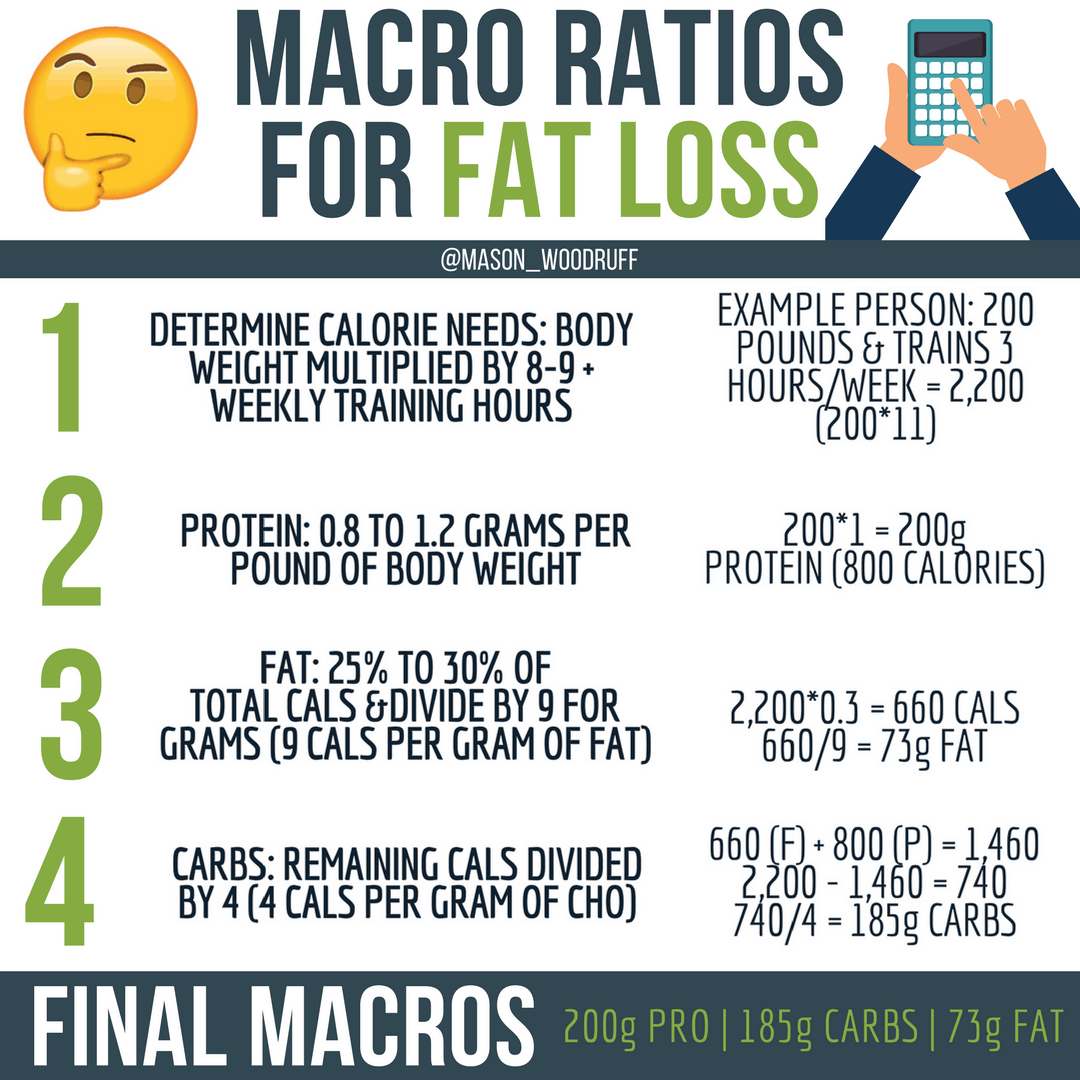 masonfit.comcalculate fat loss macro protein needs macronutrient calorie macros ratios chart intake ratio carbs grams body much masonfit
Pin On Weight Loss
 www.pinterest.commacros calculate calculator recomposition gain
Pin on weight loss. Pin on keto macros. Macros calculate calculator recomposition gain